
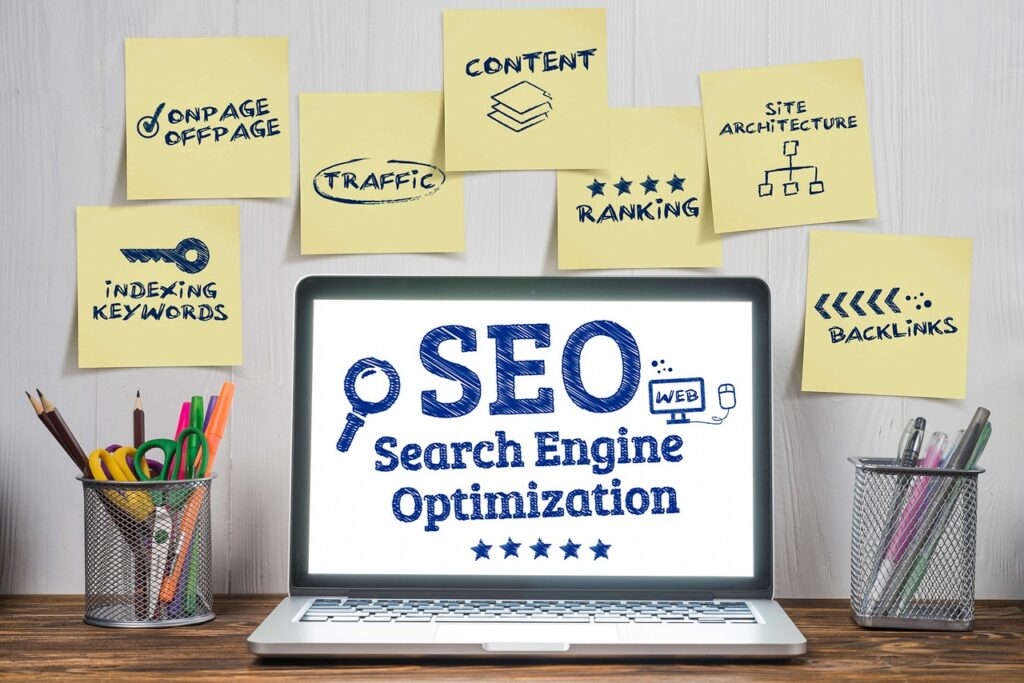
In today’s rapid digital world, all businesses, regardless of size or scope, require an online presence. The significant digital shift has created thousands of new career opportunities for individuals pursuing a career in digital marketing. Digital marketing is, without a doubt, one of the most sought after skills across all industries — including social media, search engine optimization (SEO), content creation, and paid advertising.
If you are asking yourself, “how do I get a job in digital marketing,” then this step-by-step guide will walk you through everything you need to know — from skills and certifications to resume and interview tips.
What Is Digital Marketing?
Before we get into potential career paths, it’s worth understanding what digital marketing actually means.
Digital marketing is the act of promoting your product through digital technology and online systems. This includes building brand awareness as well as engaging customers.
Digital marketing contains various disciplines, including:
- Search Engine Optimization (SEO)
- Social Media Marketing (SMM)
- Pay-Per-Click Advertising (PPC)
- Email Marketing
- Content Marketing
- Affiliate Marketing
- Influencer Marketing
Although each area requires a different skill set, they all work toward the same marketing goals — attracting and converting customers online.
Why Opt for a Prospect in Digital Marketing?
Digital marketing is not just a profession; it is an industry that is set to dramatically expand and evolve. Here’s why you should explore this career choice:
- High Demand: Businesses all over the world continue to invest heavily in online marketing.
- Good Salary Potential: The salaries for entry-level positions are above average, and higher-ranking positions, such as Digital Marketing Manager or SEO Strategist, have substantial PAYE packages.
- Creative Freedom: You will find yourself working on exciting campaigns, developing creative strategies, and better yet, using analytics to report on the return on investment.
- Work Flexibility: Many jobs allow for remote working or freelancing.
- Growth Opportunity: Continuous learning and upgrading your skill set have potential for rapid advancement.
Step 1: Understand the Fundamentals of Digital Marketing
The initial step in how to obtain a job in digital marketing would be to establish a firm foundation. Essentially, this means understanding how digital marketing functions overall, or what each digital marketing channel is meant to do.
You can learn the basics using one of the following methods:
- Online courses: Look for free and paid certifications from Google Digital Garage, HubSpot Academy, and Coursera.
- YouTube tutorials: Search for step-by-step marketing guides from various professionals.
- Blogs and podcasts:Explore websites like Neil Patel, Moz, and HubSpot for ongoing updates in the field.
Before you apply for jobs, make sure you understand broad marketing topics like SEO, social media advertising, and analytics.
Step 2: Selecting Your Specialization
Digital marketing is expansive, and you will not be able to master everything all at once. Therefore, choose one or two interests:
- SEO (Search Engine Optimization) — which focuses on getting websites to rank higher on Google’s search results;
- Content Marketing — which involves writing blogs, filming video content and devising a content strategy;
- Social Media Marketing — which focuses on managing a brand and growing it on platforms like Instagram, LinkedIn and Facebook;
- Email Marketing — which is building relationships with audiences through newsletters and campaigns; and
- PPC Advertising — which is managing paid campaigns on Google Ads and social media platforms.
Selecting a niche area allows you to become an expert in one specific area, which will make it easy to pursue more targeted roles.
Step 3: Become Certified
Employers love certifications, as they are a confirmation of your skills and knowledge. Good examples of certifications to include in your resume are:
- Google Ads Certification
- Google Analytics Certification
- HubSpot Content Marketing Certification
- Facebook Blueprint Certification
- Semrush SEO Toolkit Course
Certificates can enhance your credibility and allow you to use actual tools and methodologies.
Step 4: Acquire Practical Experience
You don’t need an advanced degree to start — practical experience matters more.
Here are some ways to get experience:
- Start a blog: Implement your knowledge and track results.
- Work for small businesses or NPOs: Volunteer your help for free to gain experience for your portfolio.
- Get internships: Sites like Internshala or LinkedIn often have a lot of digital marketing internship job postings.
- Freelance: Sites like Fiverr or Upwork can help you develop client relationships and you get paid while you learn.
Real-world projects show employers that you can take your knowledge and apply it in the real world.
Step 5: Build a Razor-Sharp Portfolio
When submitting applications for digital marketing roles, your portfolio is your most powerful tool. List:
- Case studies of campaigns you’ve worked on
- The results you’ve produced (traffic increases, engagement, conversions)
- Screenshots of your analytics reports
- Links to the content, blogs, or social posts you’ve created
An organized portfolio gives greater confidence to recruiters considering you and helps you to stand out.
Step 6: Fine-Tune Your Resume and LinkedIn Profile
Your resume should express your digital marketing skills and your accomplishments clearly.
Resume Tips:
- Be specific about your tools (Google Ads, Canva, Mailchimp, etc.)
- Use keywords like “SEO Specialist,” “Digital Marketing Executive,” and “Social Media Strategist”
- Do not forget quantifiable results (e.g., “Increased website traffic by 40% in three months.”)
- Keep your design clean and easy to read.
LinkedIn Tips:
- Write a catchy headline: “Digital Marketing Enthusiast | SEO & Content Marketing Specialist”
- List your certifications under “Licenses & Certifications.”
- Post your insights, articles, and updates on a regular basis.
- Engage with marketing professionals and recruiters through your professional network.
Step 7 – Start Applying and Networking
Once you feel confident in your abilities and your portfolio is ready, it’s time to start applying.
Where to Find Digital Marketing Jobs:
– LinkedIn Jobs
– Indeed
– Naukri
– Glassdoor
– Company careers pages
Networking is equally important. Join webinars related to marketing, conferences, or even online communities like GrowthHackers or sub forums on Reddit to meet marketers and industry experts.
Don’t forget that a lot of jobs are done through referrals and networking so always keep your business network alive.
Step 8: Prepare for the Interview
When you receive an interview invitation, take the time to research the company and be ready to talk about:
- It’s website and social media efforts, and digital presence
- Marketing tools you have used
- Campaigns you have executed or analyzed
Common interview questions include:
- “Which digital marketing tools are you familiar with?”
- “What are key metrics you use to measure the success of a campaign?”
- “What is your favorite recent marketing campaign and why?”
Always try to show confidence, creativity, and willingness to learn – these are usually that the most desirable traits from digital marketers to employers.
Step 9: Continue Learning and Stay Current
Digital marketing is a rapidly changing field. Something that works today may not work tomorrow. Therefore, it is important to continue to upgrade what you know by:
- Industry blogs (Search Engine Journal, the HubSpot Blog, Neil Patel)
- Podcasts (Marketing Over Coffee, Online Marketing Made Easy)
- Current courses (Google Skillshop, Udemy and Coursera)
In a constantly evolving field, continuing to learn new things will help you remain competitive and relevant.
Final Thoughts
Acquiring knowledge is an important piece of the profession of digital marketing, but it doesn’t stop there — you also need to practice, experiment, and be adaptive.
Begin when you are ready. Be consistent. Improve along the way. Whether you envision working for a global company, a digital agency, or as a digital marketing freelancer, the amount of practice or experiences is almost unlimited.
All it takes is time commitment and intention to embark upon a career path that can be fulfilling and fun!